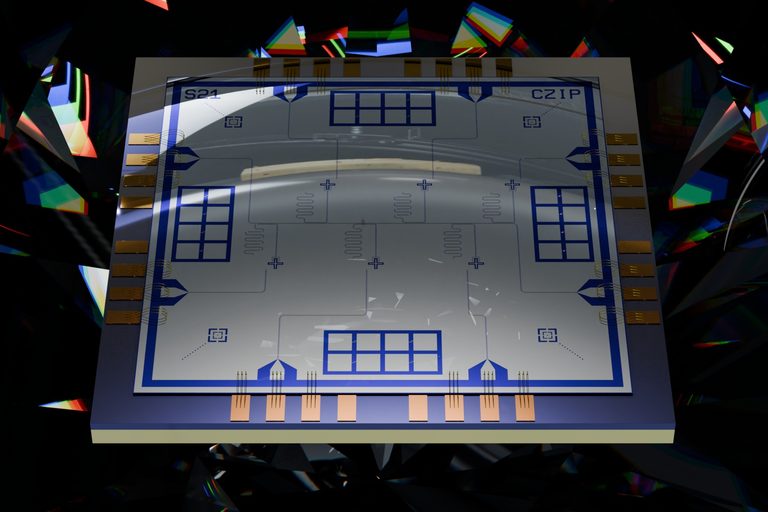

- Dutch Research Council (NWO)
- 1 Oct 2024
Project page and source record Share by email Share on LinkedIn
Project funded by Dutch Research Council (NWO) (Rubicon ENW 2024-1 ENW, Exacte en Natuurwetenschappen), research institution: ETH Zürich. NWO award amount: EUR 186,560, as stated by the source. Runs 2024-10-01 to n/a. Source: NWOpen API (Dutch Research Council) (national funding data, not CORDIS).
Source: NWOpen API (Dutch Research Council), Dutch Research Council (NWO). Retrieved 2026-10-23. Licence: CC0 1.0 (NWOpen API data). Selected metadata, adapted presentation; the publisher's record is authoritative. No endorsement by the source is implied. Licence: public domain dedication (CC0 1.0).
AI-assisted summary: The project "Next-Generation Ion Trapping" focuses on scalable micro-Penning arrays for quantum computing and simulations, funded by the Dutch Research Council with an award amount of EUR 186,560. It is conducted by ETH Zürich and runs from October 1, 2024. Suggested technology pillar: computing. Generated by AI from the public source text; it may contain errors and the original source is authoritative.
Source: nwopen-api.nwo.nl · checked 23 Oct 2026 · AI-assisted summary